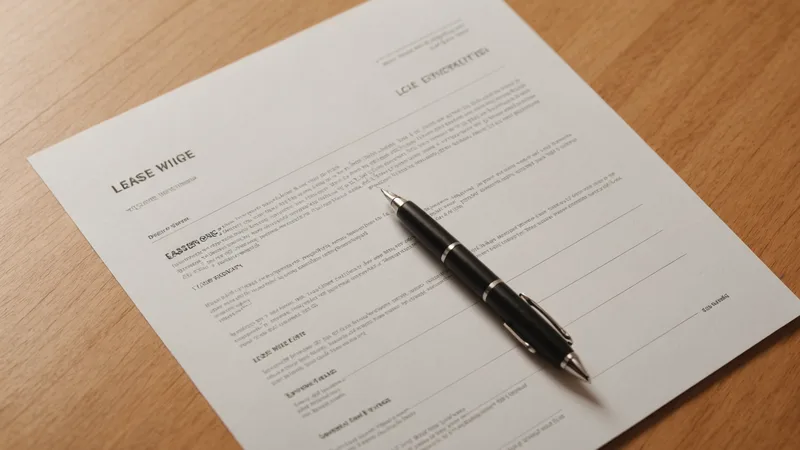
Generic lease templates downloaded from the internet are legally sufficient in many states, but sufficient is a low bar. They cover the basics: rent amount, due date, term, deposit. What they often leave out are the clauses that actually determine how a difficult tenancy ends or a dispute resolves. For a small landlord managing one to five units, the gap between a generic lease and a well-drafted one is the difference between a painful but manageable situation and a genuine financial loss.
This article is a practical overview and does not constitute legal advice. Lease requirements and enforceable clauses vary by state and locality. Consult a licensed attorney in your jurisdiction before adding or modifying lease clauses, particularly for Colorado leases where landlord-tenant law has seen recent updates.
The Maintenance Reporting Obligation Clause
Standard leases address how landlords handle maintenance but rarely address the tenant's obligation to report problems promptly. This absence creates two specific issues that small landlords hit regularly.
First, a tenant who delays reporting a slow pipe leak for six weeks while the damage compounds has no explicit obligation under a generic lease to have acted sooner. When you discover the water damage and the conversation about who bears what cost begins, you have little written ground to stand on.
A maintenance reporting clause sets out that tenants are required to notify you (or your designated contact) within a specific timeframe, typically 24 to 48 hours, of discovering any maintenance issue that could worsen if not addressed. It should specify what counts (water, HVAC, structural, appliance), how to report it (the mechanism you use), and that failure to report promptly can make the tenant liable for damages that result from the delay.
This clause does not prevent tenants from being careless, but it gives you a written basis for addressing the cost of that carelessness when it results in actual damage. It also establishes your response obligations, which matters when tenants later claim you failed to address something they reported.
The Entry Notice Clause (State-Compliant, Not Just Generic)
Most states require landlords to give advance notice before entering a tenant's unit for non-emergency purposes. Colorado requires at least 24 hours notice. Generic leases often include a notice requirement, but they sometimes copy a different state's default or leave the language vague enough to be argued.
A stronger version of this clause explicitly states: the required notice period (24 hours minimum for Colorado), the method of notice (text message to the number on file, email to the address on file, or written note), what the notice must contain (date, time window, and purpose of entry), and that emergency entry is permitted without notice when there is immediate risk to property or safety.
Specifying the notice method protects both parties. Tenants cannot claim they did not get notice if you have a text thread showing you sent it to their registered number at 10am the day before. You cannot claim you gave notice if you called a number they no longer use. The communication channel clarity matters more than the language itself.
The Lease Assignment and Subletting Prohibition
Without a clear subletting prohibition, tenants can sometimes argue that subletting is implicitly permitted, especially with short-term rental platforms making it easy. A tenant who rents out your unit on Airbnb during a vacation or who moves a friend in and collects rent from them is not hypothetical; it is a pattern that appears in rental markets with active short-term rental activity.
Your lease should explicitly state that the tenant may not sublease the unit, assign their lease interest to another party, or list the property on any short-term rental platform, without your written consent. The "without written consent" qualifier matters because it gives you the ability to say yes in a specific case rather than creating an absolute prohibition that you then selectively enforce.
Consequences for violation should be stated: typically a material breach giving you grounds to pursue lease termination under your state's eviction procedures. This is not a clause you will use often, but having it clearly written is the difference between having legal recourse when you need it and negotiating without leverage.
The Lease Renewal and Notice-to-Vacate Clause
Vacancy is expensive. A unit that goes empty for three weeks between tenants at $1,400 per month costs you over $1,000 in lost rent, plus any turnover cleaning and repairs. The notice-to-vacate clause is your primary tool for reducing that gap.
A standard clause requires the tenant to give 30 days notice of their intent not to renew. A stronger version does two things differently. First, it extends the notice period to 45 or 60 days, giving you more lead time to list the unit. Second, it addresses month-to-month continuation: if the lease ends and neither party has given notice, what happens? Specifying that the tenancy converts to month-to-month at the same rent, with either party able to terminate on 30 days notice, prevents ambiguity about whether the tenant is still obligated to pay rent while you work on transition.
Some landlords include a lease renewal offer clause: the landlord will notify the tenant 60 days before lease end whether they intend to offer renewal and on what terms. This creates a predictable conversation rather than a last-minute scramble. For landlords who want long-term tenants, that predictability on both sides is worth the commitment.
The Pet Clause (Whether You Allow Pets or Not)
The pet clause is the most commonly negotiated and most often disputed lease provision after security deposits. A generic "no pets" clause generates constant exception requests and leaves ambiguity about service animals and emotional support animals, which have distinct legal status and cannot simply be refused under federal fair housing rules.
If you do not allow pets, your lease should say so clearly, include an explicit statement that this does not apply to assistance animals protected under the Fair Housing Act or applicable state law, and describe how accommodation requests should be submitted. This is not optional language; it is how you protect yourself from a fair housing complaint when you turn down a pet but then encounter an accommodation request for an assistance animal.
If you do allow pets, be specific: how many, what size limits (if any), what species, what the additional deposit or monthly fee structure is, and what the tenant is responsible for in terms of damage and behavior. A pet addendum that both parties sign at lease signing is cleaner than clauses buried in the main lease body.
Keeping Clauses Enforceable
Adding clauses does not automatically make them enforceable. Language that is unambiguous, notified to the tenant at signing, and consistent with your state's landlord-tenant law has the best chance of holding up when you need it. Clauses that contradict state law (like a Colorado lease clause requiring a deposit return within 14 days when the law allows 30) can void the provision entirely or, in some cases, expose you to liability for attempting to limit tenant rights the law protects.
The practical test for any clause you add: could a reasonable person reading this lease, without additional explanation, understand what is required of them and what happens if they do not comply? If yes, it is probably workable. If the answer requires interpretation, it needs clearer language.
MagicDoor's lease storage keeps the signed lease accessible alongside the rest of the tenant record, so when a dispute arises over a specific clause six months into a tenancy, finding the actual signed document is not a problem. Winning a dispute often comes down to having the documentation. The clause protects you; the stored signed copy is the evidence.